
Trapezius stretches are essential for neck mobility and pain relief. The DC Orthodocs PDF outlines gentle upper trapezius, levator scapula, and lower cervical/upper thoracic stretches, each held 30 s pain‑free. Texas Children offers complementary routines.
These PDFs guide safe, pain‑free flexibility now.
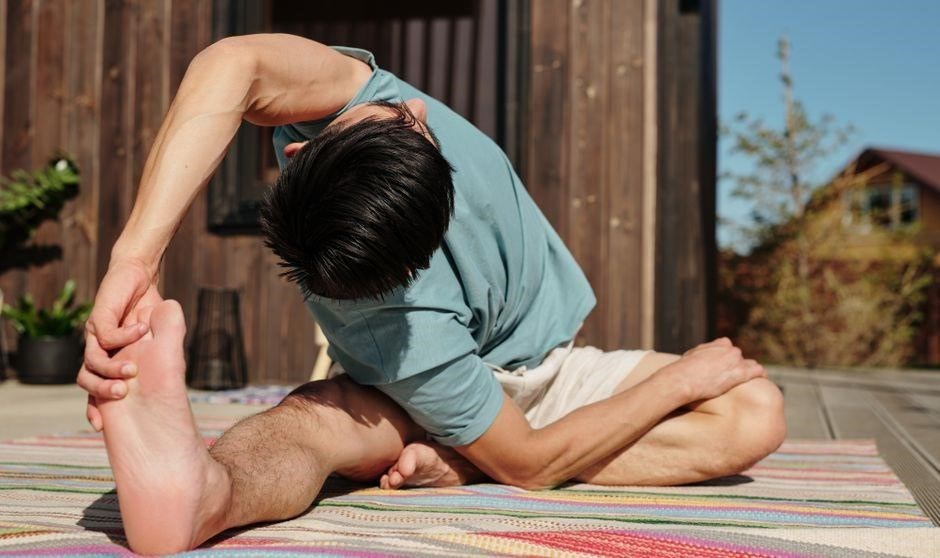
Trapezius Anatomy
The trapezius, a broad,triangular muscle,spans the neck,shoulders,and upper back.It originates from the occipital bone and cervical vertebrae,insert on the clavicle,acromion,and scapular spine.It elevates,retracts,and rotates the scapula,aiding posture and movement.
Location & Function
Situated atop the shoulder girdle, the trapezius is a large, triangular muscle that extends from the base of the skull, through the cervical and thoracic vertebrae, and inserts on the clavicle, acromion, and spine of the scapula. It is divided into three functional regions: the upper fibers elevate the scapula, the middle fibers retract it, and the lower fibers depress and assist in upward rotation. This coordinated action stabilizes the scapula during arm elevation, facilitates smooth shoulder abduction, and supports head posture by counteracting the pull of the neck extensors. The trapezius also plays a crucial role in maintaining thoracic spine alignment contributes to mechanics of breathing by subtly moving the rib cage during deep inspiration. In activities, it assists in lifting objects, maintaining posture while sitting or standing, absorbing shock during dynamic movements. Dysfunction or tightness in the trapezius can lead to neck pain, shoulder stiffness, and impaired upper limb function, underscoring the importance of regular stretching and strengthening protocols. Anatomically, the trapezius receives innervation from the accessory nerve (cranial nerve XI) and branches of the cervical plexus, ensuring rapid proprioceptive feedback during complex movements. Clinically, upper trapezius tightness can cause tension headaches and cervicogenic pain; lower fiber weakness may lead to winged scapula. Therefore, a comprehensive understanding of its location and function is essential for designing effective rehabilitation and ergonomic interventions.
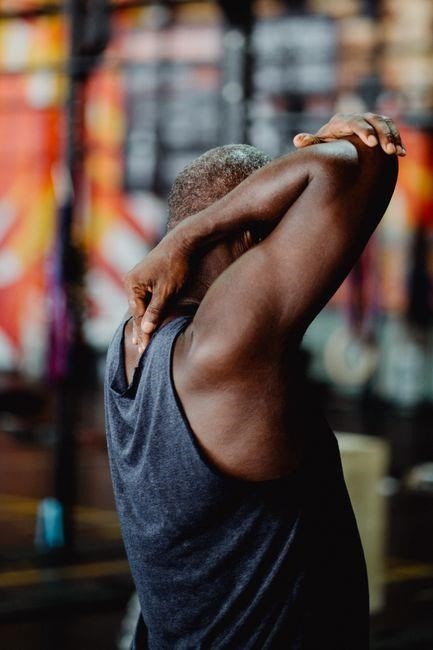
Stretch Techniques
These PDF guides detail three key stretches: upper trapezius, levator scapula, and lower cervical/upper thoracic. Each is held 30 s pain‑free, repeated 3 sets per session, 1 session daily for optimal flexibility.
Follow these steps to improve posture and reduce tension
Upper Trapezius Stretch
Begin seated or standing with a neutral spine. Reach the left hand behind your head, gently pulling the right ear toward the left shoulder. Simultaneously, use the right hand to support the left side of the skull, creating a controlled, mild traction. The goal is to feel a subtle, comfortable elongation along the upper trapezius fibers without pain.
Hold the position for 30 seconds, breathing steadily. After the hold, release slowly and allow the muscle to relax. Repeat the stretch three times per set, performing one set each session. Consistency is key; daily practice enhances range of motion and reduces tension.
Key points: keep shoulders relaxed, avoid hunching; maintain a gentle, pain‑free stretch; avoid over‑extension. If discomfort arises, ease the pull. This routine supports neck mobility, alleviates stiffness, and promotes better posture over time.
For those seeking deeper release, add a light wrist flexion by gently bending the wrist toward the forearm while maintaining the head tilt. This secondary motion increases the stretch along the upper trapezius and the levator scapulae. Perform the stretch in a quiet space, ensuring the spine remains neutral. If you have a history of cervical radiculopathy or shoulder impingement, consult a clinician before adding wrist flexion. Remember to breathe in a controlled rhythm, exhaling as you deepen the stretch. Consistent practice over weeks will gradually reduce muscle tension, improve posture, and lower the risk of neck pain. Stay consistent.
Levator Scapula Stretch
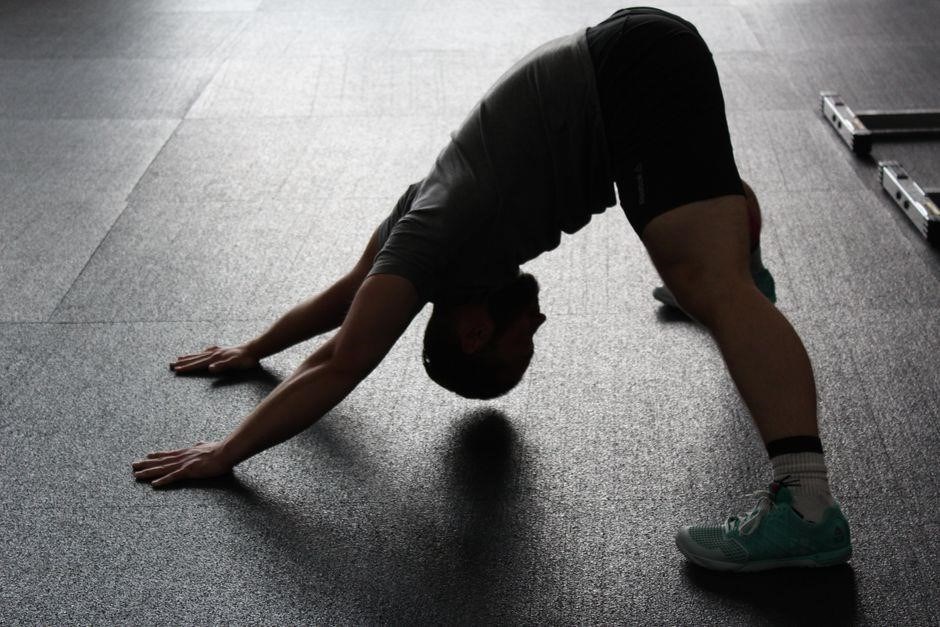
Position yourself upright, feet hip‑width apart. Place the right hand on the right scapular region, just below the shoulder blade. With the left hand, gently pull the head downward toward the right shoulder while simultaneously moving it laterally away from the spine. This dual action elongates the levator scapulae muscle, creating a gentle, pain‑free stretch.
Maintain the stretch for 30 seconds, breathing deeply and allowing the muscle to relax at the end of the hold. Release slowly, returning to neutral alignment. Repeat the movement three times per set, completing one set per session. Consistency is essential: perform the stretch once daily to improve neck flexibility and reduce upper back tension.
Key considerations: keep shoulders relaxed, avoid shrugging, and ensure the stretch feels mild rather than painful. If discomfort occurs, reduce the pull or adjust hand placement. Over time, regular practice will enhance scapular mobility, support proper posture, and alleviate chronic neck discomfort. Practicing this stretch daily can reduce tension headaches, improve breathing depth, and support better sleep quality. It also helps athletes maintain shoulder stability during overhead movements. For optimal results, combine with gentle neck rotations and thoracic extensions. Always listen to your body; if you feel sharp pain, stop and consult a professional. Regular consistency also promotes circulation to the cervical region, aiding in nutrient delivery and waste removal daily.
Lower Cervical/Upper Thoracic Stretch
Begin seated or standing with a neutral spine. Extend both arms forward, clasping the hands together. The palms should face the floor, fingers interlocked. Gently pull the shoulder blades apart, creating a subtle posterior tilt of the thoracic spine. While maintaining the pull, flex the neck forward, allowing the chin to rest lightly on the chest. This combined motion stretches the lower cervical and upper thoracic regions, relieving tension in the trapezius and surrounding musculature.
Hold the position for 30 seconds, breathing steadily. The stretch should feel gentle and pain‑free; any sharp discomfort indicates over‑extension. Release slowly, returning to neutral alignment. Repeat the sequence three times per set, completing one set each session. Daily practice promotes improved neck flexibility, reduces stiffness, and supports better posture.
Key points: keep shoulders relaxed, avoid shrugging, and maintain a steady breathing rhythm. Consistency is crucial—perform the stretch once daily, integrating it into a broader neck‑mobility routine. Over time, regular application can alleviate chronic tension headaches, enhance thoracic mobility, and support overall spinal health. Always listen to your body; if pain arises, adjust the depth or consult a professional.
For optimal results, perform the stretch in a space, ensuring the neck is supported by a pillow if seated. After session, daily.!! gently massage the trapezius to promote blood flow and reduce soreness.
Routine Guidelines
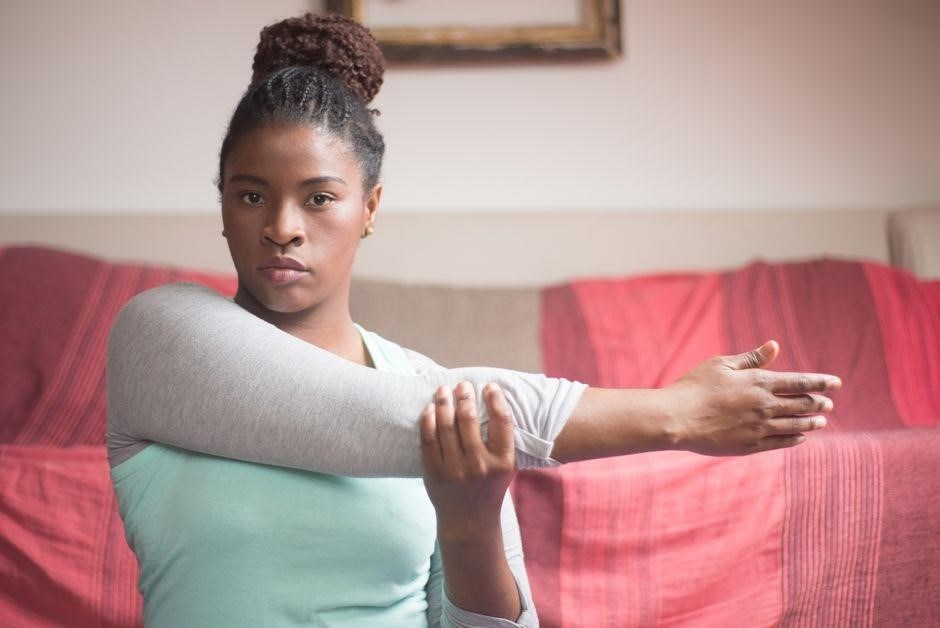
Daily sessions: 1 set per day, 3 repetitions per set. Hold each stretch 30 s pain‑free. Perform upper trapezius, levator scapula, and lower cervical/upper thoracic stretches. Consistency improves flexibility and reduces neck tension. Repeat each stretch twice for optimal results.!!
Daily Frequency
According to the DC Orthodocs PDF, the recommended daily frequency for trapezius stretches is one session per day. Each session should consist of three sets, with each set comprising three repetitions of the upper trapezius, levator scapula, and lower cervical/upper thoracic stretches. The Texas Children PDF also emphasizes consistency, suggesting that performing the routine daily helps maintain neck flexibility and reduces muscle tension over time. It is important to note that the stretches should be performed in a pain‑free manner, holding each position for 30 seconds and repeating the sequence as outlined. By adhering to this daily schedule, individuals can gradually improve range of motion, alleviate stiffness, and support overall cervical health. Consistency is key, and incorporating the routine into a daily habit can yield long‑term benefits for posture and comfort. In practice, many clinicians advise performing the routine at least once daily, but the DC Orthodocs PDF specifies a single daily session, but the DC Orthodocs PDF also recommends two sessions spaced evenly. Consistency over weeks yields measurable improvements in range of motion, pain reduction, and functional performance. Monitoring progress with a simple diary or app helps maintain consistency and allows for adjustments if stiffness returns or new discomfort arises. Adhering to this schedule also supports better sleep quality and.
Set & Repetition
According to the DC Orthodocs PDF, each trapezius stretch is performed in a structured sequence that balances intensity with recovery. The protocol calls for a single 30‑second hold for each stretch, followed by a brief pause before the next repetition. The recommended repetition count per set is three, ensuring that the muscle is engaged without over‑exertion. After completing the three repetitions, a rest interval of 30 to 60 seconds is advised before starting the next set. The PDF specifies that each session should comprise three sets, providing volume to stimulate flexibility gains while allowing the trapezius and surrounding musculature to recover between sets. This structure is designed to be repeated once daily, as the document notes that a single daily session is sufficient for most individuals seeking to improve neck mobility and reduce tension. The repetition scheme—three holds per set, three sets per session—offers a balanced approach that can be integrated into a morning or evening routine. By maintaining consistency and adhering to the prescribed number of sets and repetitions, users can track progress over time, noting improvements in range of, decreased stiffness, and a smoother, very smoother, fluid neck movement. The protocol’s simplicity makes it accessible for beginners, while still providing enough stimulus for those with adv. flexibility goals. Consistent application of this set and repetition structure is key to achieving lasting benefits and preventing the recurrence of trapezius tightness.
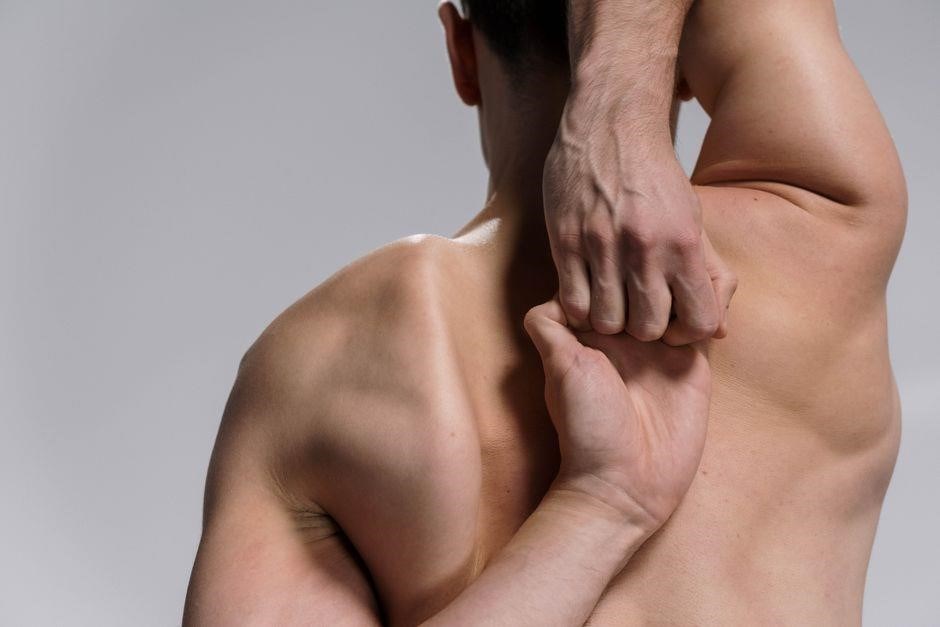
Safety
Pain‑free is paramount. Avoid forceful pulls; only gentle, controlled movements should be used. If discomfort arises, stop immediately. Maintain neutral spine, breathe steadily, and never force the stretch beyond a mild tension. Follow the PDF’s guidelines for safe practice. Seek guidance if uncertain now.
Pain-Free Stretching
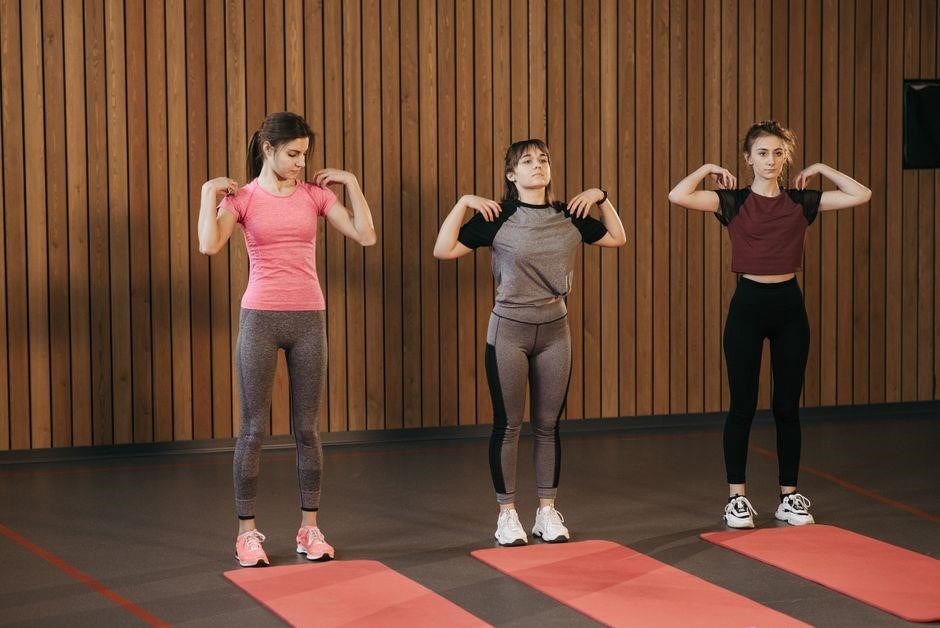
Before initiating any trapezius stretch, establish a baseline of comfort. The DC Orthodocs PDF emphasizes that each movement should remain within a pain‑free zone; if a stretch elicits sharp or lingering discomfort, immediately cease the motion. Begin with a gentle, controlled head tilt or shoulder shrug, ensuring the spine stays neutral and the shoulders are relaxed. Breathe steadily, exhaling as you deepen the stretch, and inhale as you return to the neutral position. The recommended hold time is 30 seconds, a duration that balances muscle elongation with safety. Perform three sets per session, spaced to allow brief recovery between sets. Limit the routine to one session per day to prevent over‑stretching and allow tissues to adapt. If you experience any numbness, tingling, or increased pain, stop and reassess your technique or consult a professional. Consistency, coupled with mindful breathing and a strict pain‑free threshold, will promote gradual flexibility gains while safeguarding the cervical and thoracic musculature. To maintain a pain‑free zone, focus on gentle neck rotations, shoulder rolls, and controlled side‑bending. Keep the head aligned with the spine, avoid jutting the chin forward, and relax the jaw. Use a slow, deliberate rhythm: inhale as you prepare, exhale as you stretch. If you feel a sharp sting, pause and reassess. Consistent practice, mindful breathing, and respecting your body’s limits will gradually improve flexibility without risking injury. Remember to keep the movements slow and controlled.!!.
PDF Resources

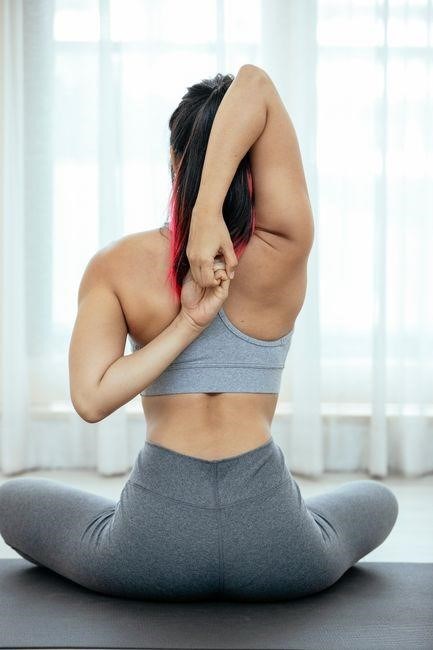
PDFs trapezius care: DC Orthodocs Neck Stretches upper trapezius, lower cervical stretches. Texas Children Stretches adds posture routine.
DC Orthodocs PDF
The DC Orthodocs PDF, titled “Neck Stretches,” provides a concise, evidence‑based protocol for trapezius flexibility. It begins with the upper trapezius stretch: gently grasp the right side of the head while reaching behind the back with the left hand, tilt the head away until a mild stretch is felt, and hold for 30 seconds. The protocol specifies a pain‑free stretch, repeating the hold three times per set and completing one set per day. Next, the levator scapula stretch is described. Place the right hand on the right shoulder blade, use the left hand to gently pull the head down and away, and hold for 30 seconds, again pain‑free, with three repetitions per set and one set daily. The lower cervical/upper thoracic stretch involves clasping the hands together in front, extending the arms, gently pulling the shoulder blades apart, and bending the head forward; hold for 30 seconds, pain‑free, with the same repetition and set structure. The PDF also includes a neck retraction exercise: pull the head straight back, keeping eyes and jaw level, and repeat as prescribed. Strengthening instructions for shoulder shrug are provided as well, with specific repetitions and sets. The document’s format is user‑friendly, with clear step‑by‑step instructions, recommended frequencies, and safety notes emphasizing pain‑free execution. It serves as a practical guide for clinicians and patients seeking to improve trapezius mobility and reduce neck discomfort. This structured approach supports long‑term neck health, reducing tension headaches and improving overall posture daily.!
Texas Children PDF
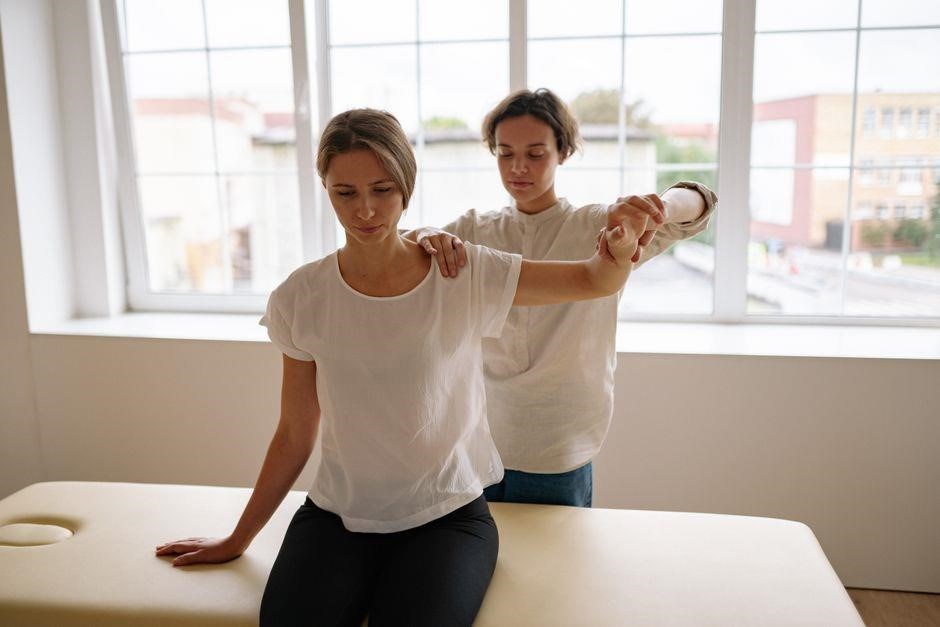
Texas Children’s Health Association provides a comprehensive PDF titled “HA Stretches” that focuses on age‑appropriate trapezius and neck mobility exercises for pediatric patients. The guide emphasizes gentle, pain‑free movements suitable for children and adolescents, incorporating visual cues and playful language to maintain engagement. Key stretches include a “Shoulder‑Blow” maneuver, where the child lifts the shoulders toward the ears, holds for a brief moment, and then releases, encouraging rhythmic breathing. A “Neck‑Tilt” exercise is described: the child tilts the head to the right, using the right hand to lightly support the skull, and holds the position for 10–15 seconds before returning to neutral. The PDF also introduces a “Scapular Squeeze” that involves drawing the shoulder blades together, holding for 5–10 seconds, and then relaxing, which targets the lower trapezius and rhomboids. Each stretch is accompanied by a recommended frequency—typically three repetitions per set, with two sets per session, and daily practice—to promote gradual flexibility gains. The document stresses the importance of avoiding pain, encouraging children to report any discomfort immediately. Additionally, the PDF offers a “Mirror Check” activity, where children observe their posture in a mirror, fostering self‑awareness and reinforcing proper alignment. By integrating these exercises into daily routines, parents and caregivers can help children develop healthy neck mechanics, reduce tension headaches, and support overall musculoskeletal well‑being. The resource also includes a short FAQ section addressing common concerns such as “When should I stop if the stretch hurts?” and “Can I combine these stretches with other physical therapy exercises?” It encourages collaboration between pediatric therapists and school nurses to ensure consistent application. The PDF is downloadable in PDF format, making it easily shareable with families, and it is updated annually to reflect the latest pediatric exercise science. Furthermore, the guide outlines progression steps, such as increasing hold duration by 5 seconds each week, and integrating dynamic warm‑up movements like arm circles to prepare the trapezius for static stretching. It also highlights contraindications, advising against stretching if the child has recent neck trauma or a diagnosed cervical spine condition. The document concludes with a printable checklist that parents can use to track daily compliance, ensuring that the child remains motivated and that the therapeutic goals are met over time. Parents are advised to review the stretch progress monthly, adjusting the routine as the child grows and their flexibility improves.
After reviewing the two primary PDF resources—one from DC Orthodocs and the other from Texas Children—readers gain a clear, evidence‑based framework for incorporating trapezius stretches into daily practice. Texas Children’s guide expands on these fundamentals by adding child‑friendly language, visual cues, and a structured progression plan that encourages gradual increases in hold time and repetition count. Together, the documents underscore the importance of consistency, proper form, and the avoidance of pain as a safety signal. By integrating the recommended sets—typically two sessions per day, each containing three sets of three repetitions—practitioners can create a sustainable routine that supports neck mobility, reduces tension headaches, and promotes overall musculoskeletal health. The PDFs also highlight the value of monitoring progress through simple checklists and periodic reassessment, ensuring that the stretch program evolves with the individual’s needs. For clinicians, the resources provide a ready‑to‑use curriculum that can be adapted for both adult and pediatric populations, while for patients and caregivers, the clear, step‑by‑step guidance empowers self‑management and fosters long‑term adherence. Ultimately, these PDFs serve as a practical, low‑cost tool that bridges the gap between theory and everyday application, making trapezius stretching accessible, safe, and effective for anyone seeking improved neck function and reduced discomfort. Readers are encouraged to revisit these PDFs regularly, noting any changes in flexibility or discomfort. Incorporating these stretches into a holistic wellness routine can yield lasting benefits for posture, circulation, and overall quality of life and maintain consistency results for daily