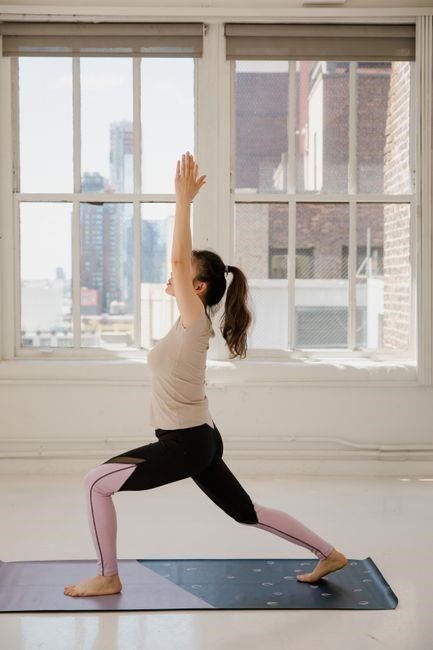
Printable 60‑Minute Gentle Yoga Sequence PDF Overview
Our downloadable PDF features a 6‑page layout, a 1‑page cheat sheet, and a full 60‑minute flow. It’s ready for print on A4 or Letter, editable in Word, and perfect for home or class use. The design includes clear pose titles, alignment cues, and spacing for easy reading. Ideal for all levels. Enjoy!.
Structure: 6‑page layout with a 1‑page cheat sheet, full 60‑minute flow, and printable format.
The printable 60‑minute gentle yoga sequence PDF is meticulously organized into a six‑page layout that guides practitioners from warm‑up to final relaxation. Each page contains a curated selection of poses, concise instructions, and visual cues that emphasize alignment and breath. The first page serves as an introductory overview, outlining the flow’s structure and highlighting key transitions. Pages two through five present the core sequence, divided into thematic blocks: gentle mobilizations, core strengthening, balance work, gentle twists, and restorative inversions. Every pose is labeled with its Sanskrit name, a brief description, and a printable icon for quick reference. The final page is dedicated to the cool‑down, featuring restorative positions such as Legs‑up‑the‑Wall and Savasana, accompanied by guided breathing prompts. Complementing the six‑page flow is a separate one‑page cheat sheet that consolidates the entire sequence into a single reference sheet. This cheat sheet lists all 48 poses in order, includes brief alignment cues, and offers a printable checklist for teachers to track student progress. The PDF is fully editable in Microsoft Word, allowing instructors to customize pose names, add personal notes, or adjust the sequence to fit class duration. When printed on standard A4 or Letter paper, the layout maintains clear margins and legible fonts, ensuring that the sequence is accessible for both home practice and classroom instruction. The design’s clean typography and ample spacing make it easy to follow, while the inclusion of a printable cheat sheet provides a quick reference that enhances teaching efficiency and student engagement. Additionally, the PDF includes a subtle background watermark of a lotus, reinforcing the gentle theme without distracting from the content.
By integrating this PDF into your curriculum, you provide students with a consistent reference that supports progressive learning. The layout’s simplicity encourages mindful movement, while the cheat sheet’s quick‑look format allows instructors to assess flow efficiency in real time. Moreover, the editable nature means you can update pose sequences annually to reflect new teaching insights or seasonal themes, keeping the practice fresh and engaging for all participants. Share this guide with students for calm practice daily!
Benefits of a 60‑Minute Gentle Yoga Flow
A 60‑minute gentle flow enhances flexibility, eases muscle tension, and promotes deep relaxation. It lowers cortisol, improves sleep, and supports mental clarity. The sequence balances body and mind, making it ideal for stress relief and holistic wellness. It boosts joint mobility and encourages breathing now
In a 60‑minute gentle sequence, the body experiences a gradual, sustained stretch that increases joint range of motion and softens connective tissue. The slow, mindful transitions allow muscles to lengthen without strain, reducing built‑up tension in the shoulders, hips, and lower back. Regular practice encourages the release of myofascial adhesions, improving circulation and promoting a feeling of lightness. The rhythmic breathing that accompanies each pose activates the parasympathetic nervous system, lowering heart rate and blood pressure. This physiological shift supports a calmer cardiovascular profile and enhances overall endurance for everyday activities. Mentally, the flow cultivates a present‑moment awareness that quiets the chatter of the mind. By focusing on breath and subtle movement, practitioners develop a meditative state that reduces cortisol levels, thereby mitigating stress responses. The gentle nature of the poses invites a sense of safety and self‑compassion, fostering emotional resilience. Over time, consistent engagement in this routine can lead to improved sleep quality, heightened mood, and a deeper connection between mind and body. The printable PDF format allows users to practice at home or in class, ensuring accessibility and convenience for all levels. This resource supports mindful practice, encouraging consistency and fostering a sustainable yoga habit. Feel the calm, breathe deeply, and let each pose guide you toward inner balance and renewed vitality. Keep practicing. Enjoy the journey.!!
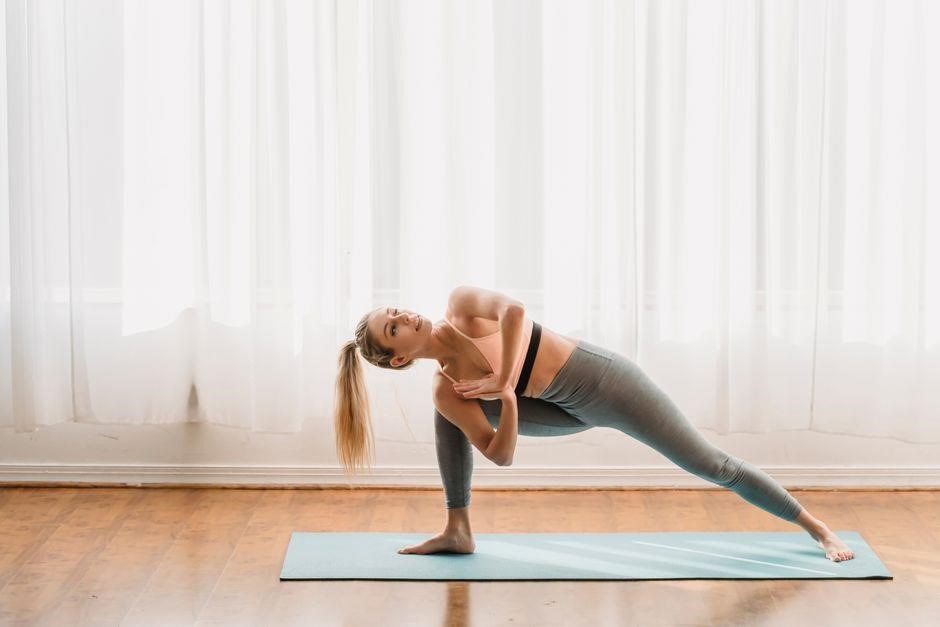
Target Audience and Use Cases
Ideal for beginners, seniors, prenatal, and restorative practice. Use in home routines, studio classes, or workshops. Printable PDF fits A4 or Letter, editable, supports flexible scheduling. Ideal for group sessions or solo practice it supports consistencynow!!!
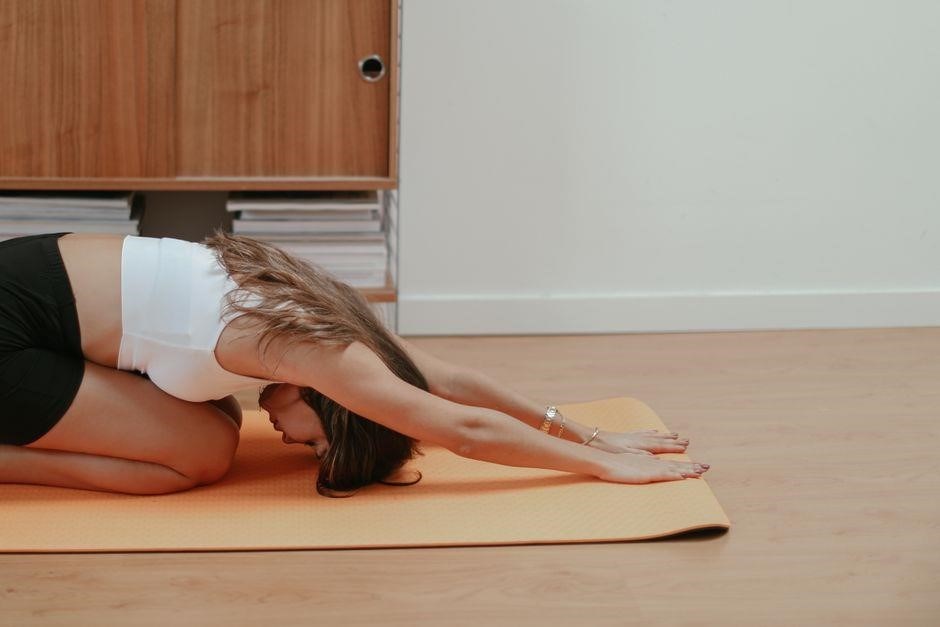
Ideal for beginners, seniors, prenatal, and restorative practice, plus yoga teachers needing foundational sequences.
Our 60‑minute gentle sequence is meticulously designed to meet the unique needs of diverse practitioners. For beginners, the flow introduces fundamental postures with clear alignment cues, ensuring safe progression and building confidence. Seniors benefit from low‑impact movements that enhance joint mobility, balance, and circulation while minimizing strain. Prenatal practitioners enjoy supportive twists and gentle backbends that respect the body’s changing biomechanics, fostering stability and breath awareness. Restorative seekers find a calming rhythm, incorporating long holds and restorative props to deepen relaxation and reduce stress. Yoga teachers can effortlessly integrate this template into workshops, offering a structured yet adaptable framework that supports skill development across all levels. Additionally, the sequence incorporates a 5‑minute gentle warm‑up, a 20‑minute core focus, a 15‑minute balance and twist segment, a 10‑minute inversion practice, and a 10‑minute cool‑down. This structured timing helps practitioners stay on track and ensures a balanced exposure to all major yoga elements. Specific poses such as Cat‑Cow, Child’s Pose, and seated twists set a gentle foundation. The sequence also includes gentle backbends like Bridge and supported Sphinx, and mild inversions such as Legs‑up‑the‑Wall, all performed with mindful breathing. Each pose is accompanied by a brief cue that highlights posture, breath, and intention, making it accessible for those with limited flexibility or new to yoga. Flow. Enjoy. By incorporating mindful breathing throughout, the sequence cultivates body awareness and emotional balance. Instructors can adjust timing or pose difficulty to suit class flow, ensuring inclusivity and progression. The flow’s gentle nature makes it suitable for daily practice, fostering consistency and long‑term well‑being!
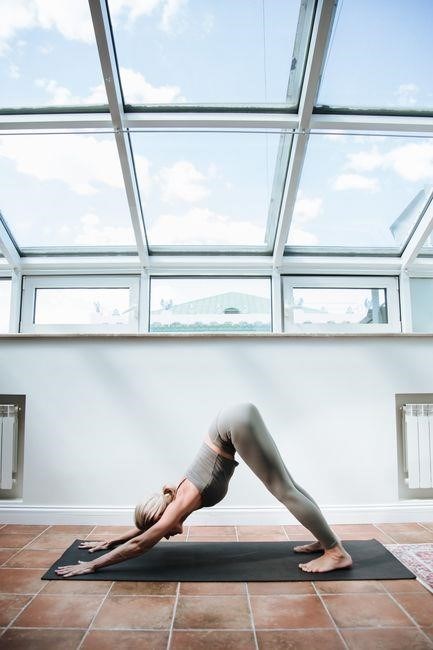
Core Components of the PDF Sequence
Our 48‑pose PDF is organized into distinct sections: a gentle warm‑up, a core‑strengthening focus, balance and twist moves, mild inversions, and a restorative cool‑down. Each section flows smoothly, offering clear cues and breathing guidance for a cohesive 60‑minute practice. and accessible for levels!!.
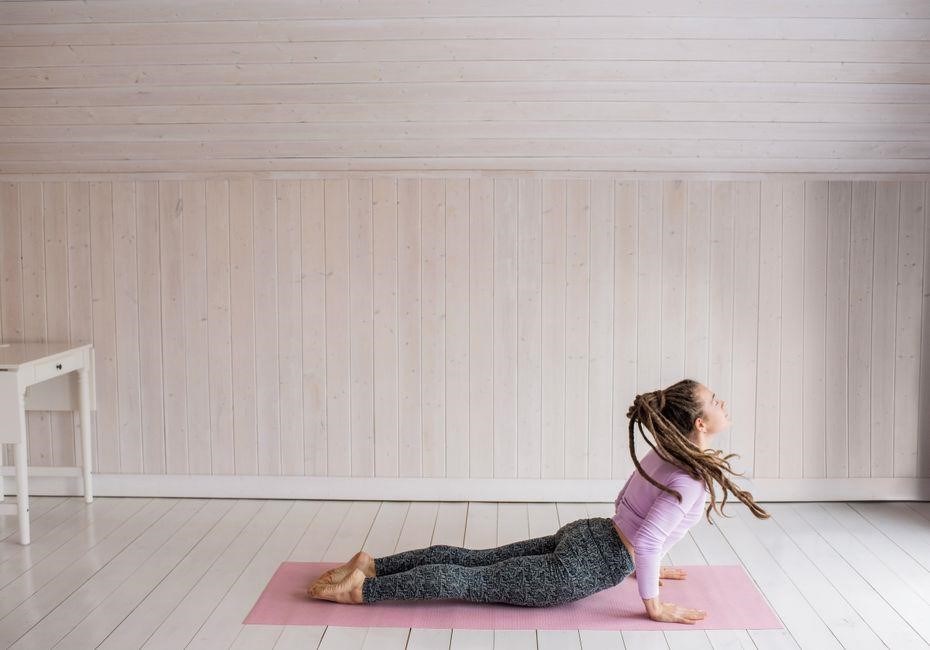
48 poses divided into warm‑up, core focus, balance, twists, inversions, and relaxation sections.
Our printable PDF meticulously arranges 48 poses into six purposeful segments, each tailored to nurture gentle movement while preserving depth. The warm‑up comprises 8 foundational poses—Cat‑Cow, Child’s Pose, seated twists, gentle lunges, and gentle shoulder rolls to awaken joints and breath. Core focus follows with 10 poses that strengthen the abdomen and spine, such as Boat, Plank variations, and gentle backbends, each accompanied by precise alignment cues. Balance is introduced through 6 poses, including Tree, Warrior III, and Half Moon, encouraging steadiness and focus. Twists are thoughtfully integrated with 8 poses—Seated Twist, Supine Twist, and gentle spinal twists to release tension. Inversions are kept mild, featuring 4 poses like Legs‑up‑the‑Wall, supported Headstand, and gentle Shoulder Stand, ensuring safety and accessibility. The final relaxation segment hosts 8 restorative positions—Savasana, Legs‑up‑the‑Wall, supported Bridge, and guided breathing to close the flow. Each section transitions smoothly, with breathing instructions and subtle cues, allowing practitioners of all levels to experience a cohesive, calming 60‑minute practice. The PDF’s layout is user‑friendly, featuring numbered poses, color‑coded sections, and printable side‑by‑side comparison charts. It also includes a brief guide on breathing techniques, optional modifications, and a QR code linking to a video demonstration for deeper understanding.!.
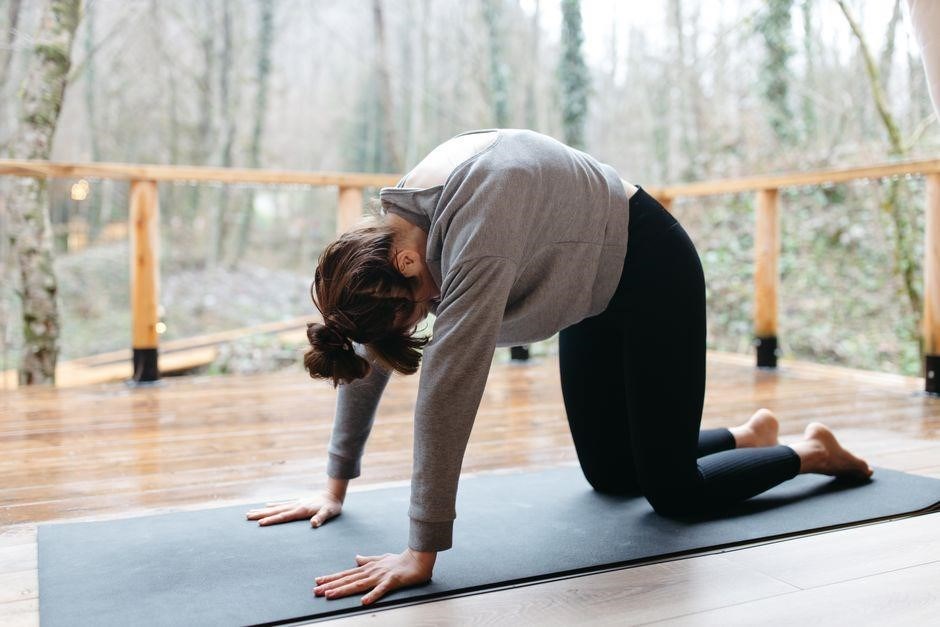
Warm‑up and Activation Section
Gentle mobilization opens the flow: Cat‑Cow, Child’s Pose, seated twists, gentle shoulder rolls, and light lunges. Each pose encourages breath awareness, joint mobility, and subtle activation, preparing the body for deeper practice. Flow transitions, inv calm now
Gentle mobilization poses such as Cat‑Cow, Child’s Pose, and seated twists to prepare the body.
Cat‑Cow (Marjaryasana‑Bitilasana) gently warms the spine, encouraging fluid motion between vertebrae. Inhale to arch, exhale to round, synchronizing breath with movement. This dynamic stretch releases tension in the lower back and promotes spinal flexibility. Child’s Pose (Balasana) offers a restorative pause, stretching the hips, thighs, and calves while calming the nervous system. Gently widen the knees, sink the hips toward the heels, and extend the arms forward, allowing the forehead to rest on the mat. Seated twists (Ardha Matsyendrasana variations) activate the obliques and stimulate digestion. Sit tall, place one foot on the opposite thigh, and twist toward the raised knee, keeping the spine straight. These poses collectively prepare the body for deeper postures, enhancing mobility, and fostering a mindful connection between breath and movement. By coordinating breath with each movement, practitioners cultivate a meditative focus that steadies the mind. A gentle emphasis on alignment—keeping the spine neutral, shoulders relaxed, and hips open—helps prevent strain while encouraging fluid transitions. Practitioners may vary the intensity by adjusting the depth of the twist or the duration of the hold, making the sequence adaptable for all levels. Incorporating subtle props such as blocks or blankets can further support joint alignment and enhance comfort during the warm‑up. The sequence also includes a brief pause after each major transition, allowing practitioners to observe the subtle shifts in breath and posture before proceeding, which cultivates a mindful rhythm that supports sustained practice and enhances overall well‑being.
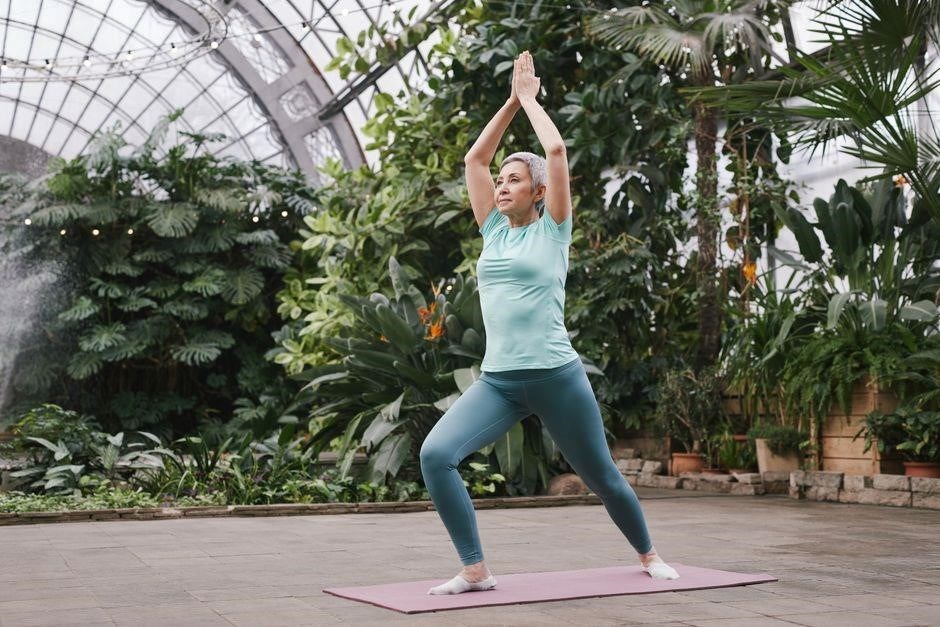
Mid‑Section Core Focus
Core‑strengthening poses such as Boat (Navasana), plank variations,and so backbends build abdominal stability and spinal support. Alignment cues emphasize a neutral spine, engaged glutes, and controlled breathing, ensuring safe progression and balanced core engagement.
Core‑strengthening poses like Boat, Plank variations, and gentle backbends with alignment cues.
In the core focus segment, the sequence incorporates gentle yet effective poses that target the abdominal and lower back muscles without compromising comfort. Boat (Navasana) is introduced with a soft seated base, encouraging a neutral spine and a gentle lift of the legs, which activates the core while maintaining a relaxed pelvic floor. Plank variations, such as forearm plank and side plank, are performed with a slight bend in the knees for those needing a lower intensity, gradually progressing to a full plank as strength builds. Gentle backbends, including Cobra (Bhujangasana) and Sphinx (Salamba Bhujangasana), are taught with a focus on lengthening the thoracic spine and engaging the abdominal wall to support the lower back. Alignment cues emphasize keeping the shoulders away from the ears, drawing the ribcage down, and engaging the glutes to create a stable base. Controlled breathing is integrated throughout, with inhalations expanding the ribcage and exhalations drawing the navel toward the spine, fostering a mindful connection between movement and breath. This balanced approach ensures that participants strengthen their core while preserving joint integrity and promoting overall spinal health. These core poses are designed to be accessible. Gentle backbends encourage a safe opening of the chest and shoulders, preventing strain on the cervical region. Throughout the sequence, teachers can emphasize engaging the abdominal muscles without holding the breath, promoting a rhythmic flow that supports both physical and mental relaxation. By integrating these core‑focused poses into a flow, the sequence becomes suitable for practice or as a warm‑up for vigorous sessions!!
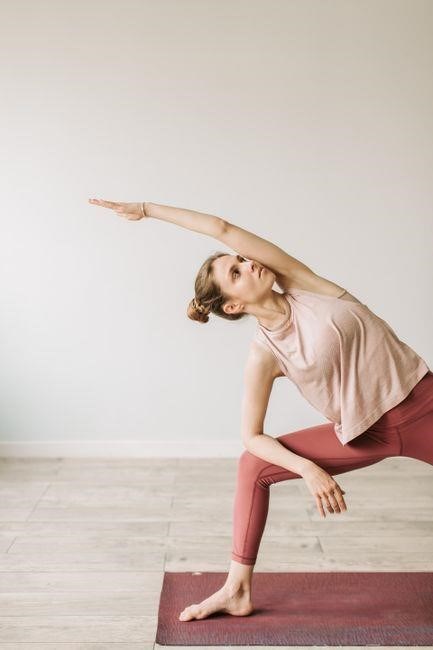
Cool‑down and Relaxation Segment
The cool‑down section guides practitioners into restorative postures like Legs‑up‑the‑Wall and Savasana, encouraging deep diaphragmatic breathing and gentle spinal twists. A brief guided meditation concludes the flow, fostering calm, resetting the nervous system, and preparing for daily life. Enjoy.!
Restorative positions such as Legs‑up‑the‑Wall, Savasana, and guided breathing to finish.
Restorative positions such as Legs‑up‑the‑Wall (Viparita Karani) and Savasana are integral to a gentle 60‑minute flow, offering deep relaxation and a calm mind. The sequence begins with a brief, gentle inversion, allowing the practitioner to release tension in the lower back and hips while encouraging mindful breathing. The transition to Savasana is guided by a slow, rhythmic breath, helping to lower heart rate and reduce cortisol levels. A short guided meditation follows, focusing on body awareness and the present moment, which further enhances the restorative effect. This printable PDF also serves as a convenient reference for teachers to adapt sequences, ensuring and transitions smooth flow through the class..!
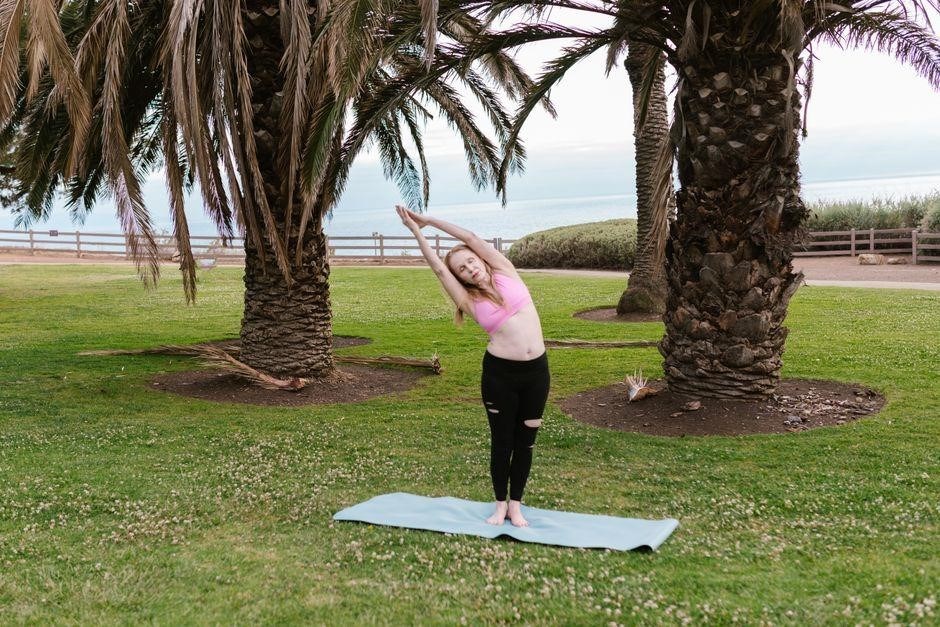
Customization and Usage Tips
Edit the PDF in Word, print on A4 or Letter, and integrate into class schedules or home practice. Add personal notes, adjust poses, or swap sequences. Use the cheat sheet for quick reference. Store on cloud for easy sharing with students or colleagues. Print copies for group use, save a backup USB!!
Edit the PDF in Word, print on A4 or Letter, and integrate into class schedules or home practice.
After downloading the 60‑minute gentle yoga sequence PDF, open it in Microsoft Word to tailor the flow to your needs. The document is formatted with a 6‑page layout and a 1‑page cheat sheet, making it straightforward to add or remove poses, adjust tempo, or insert personal alignment cues. Word’s “Replace” function lets you quickly swap pose names or modify the duration of each segment, ensuring the sequence stays true to the gentle style while meeting the time constraints of a typical class. Once you’ve made your edits, save the file as a new PDF or keep the Word version for future updates. Printing on standard A4 or Letter paper is simple: choose “Print” from the File menu, select the desired paper size, and set the scaling to 100 % to preserve the original layout. For classroom use, laminate the pages or print on thicker cardstock to withstand frequent handling. If you prefer a digital approach, upload the PDF to a cloud service or a class‑management platform so students can access it on tablets or laptops. When incorporating the sequence into a schedule, align the warm‑up, core focus, balance, twist, inversion and relaxation sections with the allotted class time, and use the cheat sheet as a quick reference for students during transitions. This flexibility allows instructors to adapt the sequence for beginners, seniors, or prenatal groups while maintaining the integrity of the 60‑minute gentle flow. Enjoy the ease of customization and the convenience of a ready‑to‑print format that supports both in‑studio and home practice.
Additionally, you can export the PDF to a mobile‑friendly format, allowing students to follow along on their phones during commute or at home. For teachers, the editable Word file provides a quick way to adjust the sequence for different class levels, ensuring that each session remains engaging and accessible. Finally, keep a backup of the original template to preserve the original design, and share the updated version with your studio partners or online community for collaborative growth. All these features make the printable sequence a versatile tool for any yoga practice for all today!