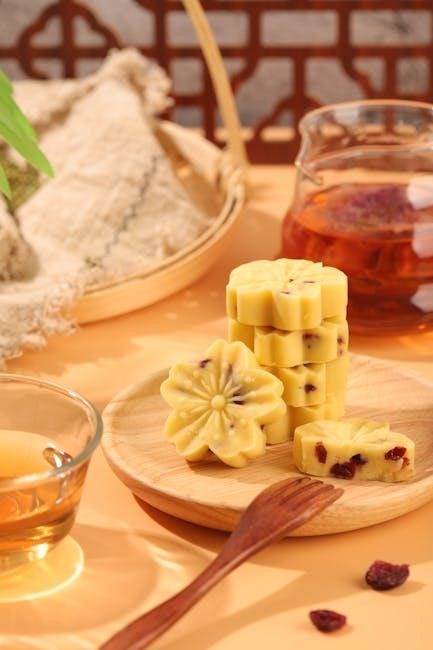
Sher Lee’s debut novel, Fake Dates and Mooncakes, blends a charming romance with rich cultural exploration, offering LGBTQ+ and ESEA representation to young adult readers․
This delightful story skillfully incorporates the popular “fake dating” trope, alongside discussions of family, identity, and the significance of the Mid-Autumn Festival․
Overview of the Novel
Fake Dates and Mooncakes centers around Li Wei, a young woman navigating the complexities of her Chinese-American identity and familial expectations․ To appease her grandmother, she reluctantly agrees to a fake dating scheme with Felix, a charming classmate․ This arrangement is intended to deflect attention from Wei’s single status during the upcoming Mid-Autumn Festival, a culturally significant event deeply rooted in family and tradition․
As Wei and Felix navigate their charade, they unexpectedly find themselves drawn to each other, leading to a heartwarming exploration of genuine connection․ The novel beautifully intertwines the blossoming romance with insightful discussions about cultural heritage, the pressures faced by first-generation Americans, and the importance of self-discovery․ It’s a sweet and engaging story, packed with mouthwatering food descriptions and a delightful corgi companion!
Significance of the Title: “Fake Dates and Mooncakes”
The title, “Fake Dates and Mooncakes,” cleverly encapsulates the dual nature of the novel’s core themes․ “Fake Dates” immediately signals the central romantic plot device – a fabricated relationship – hinting at the initial pretense and eventual authenticity of Wei and Felix’s connection․ Simultaneously, “Mooncakes” anchors the story firmly within Chinese culture and the traditions surrounding the Mid-Autumn Festival․
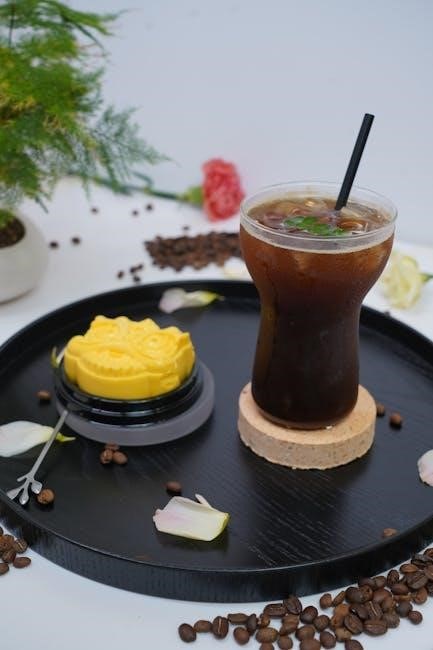
Mooncakes, historically offered as worship and now a festival staple, symbolize family, togetherness, and cultural identity․ Their presence in the title foreshadows the novel’s exploration of these themes, suggesting that the characters’ journey will be intertwined with their heritage․ The juxtaposition of the modern “fake dates” with the traditional “mooncakes” highlights the tension and negotiation between cultural expectations and personal desires․
Historical Context: Mooncakes
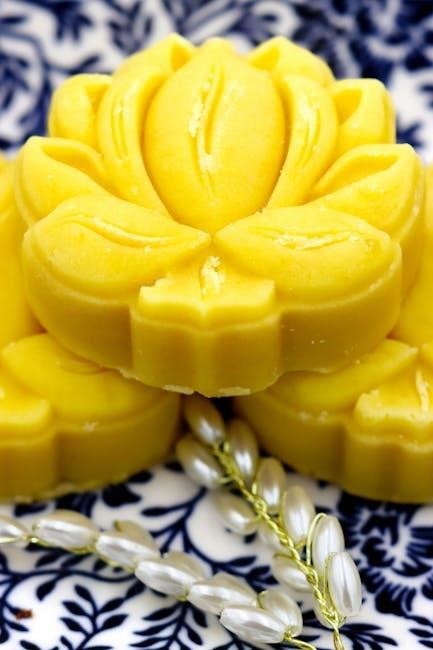
Mooncakes boast a rich history, originating as early as the Shang Dynasty, evolving through imperial eras as offerings and symbols of celebration and worship․
Ancient Origins of Mooncakes (Shang & Zhou Dynasties)
The earliest precursors to the modern mooncake date back to the Shang and Zhou Dynasties (17th century BC ⏤ 256 BC) in China․ Historical records mention “Taishi cakes” found in Jiangsu and Zhejiang provinces during this period․
These ancient cakes were created to commemorate Wenzhong, a revered scholar credited with their invention․ Notably, Taishi cakes were characterized by a unique design – thin edges and a thicker center, potentially symbolizing the moon’s phases․
While differing from today’s sweet treats, these early cakes represent the foundational origins of a culinary tradition deeply intertwined with Chinese history and cultural practices, setting the stage for future developments․
Mooncakes and Imperial History (Tang & Yuan Dynasties)
During the Tang Dynasty, Emperor Taizong (d․ 649) reportedly distributed round cakes to celebrate a significant military victory, establishing a tradition of celebratory cakes․ Centuries later, in the Tang Dynasty, Emperor Xizong (d․ 888) gifted sweet cakes to scholars who excelled in imperial examinations․
However, the most pivotal moment in mooncake history occurred during the 14th-century Yuan Dynasty․ Mongol rulers, having banned large Han gatherings, were cleverly circumvented by rebels who hid messages within the mooncakes, coordinating an uprising․
This act cemented the mooncake’s symbolic association with rebellion and freedom, forever linking it to a crucial period in Chinese history․
Mooncakes as Offerings and Worship
Historically, mooncakes weren’t solely a culinary delight; they held deep spiritual significance․ Initially, these cakes were specifically created as offerings to the moon deity itself, functioning as a vital tool in ancient worship practices․
Before becoming a widely consumed treat, mooncakes were presented to honor the moon goddess Chang’e, seeking blessings for a bountiful harvest and familial harmony․ This practice highlights the strong connection between food, spirituality, and celestial reverence in early Chinese culture․
The act of offering mooncakes demonstrated respect and gratitude towards the divine, solidifying their role beyond mere sustenance․
The Mid-Autumn Festival and its Traditions
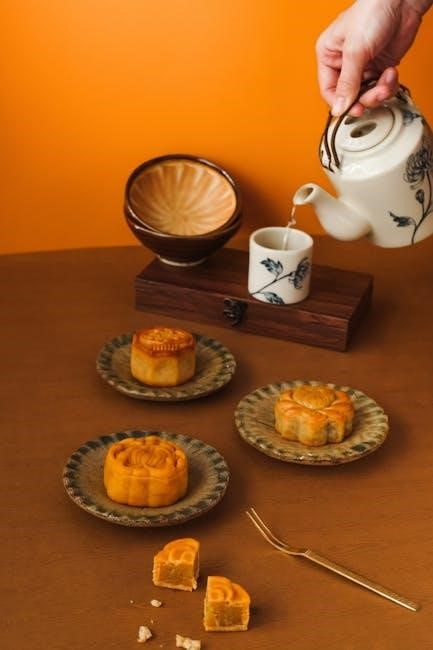
The Mid-Autumn Festival is a cherished cultural celebration centered around family reunions, moon gazing, and, most importantly, the symbolic consumption of mooncakes․
The Cultural Importance of the Mid-Autumn Festival
The Mid-Autumn Festival, deeply rooted in Chinese culture, transcends a simple harvest celebration; it’s a poignant time for familial bonds and gratitude․ Historically linked to moon worship and imperial decrees, the festival’s significance evolved over dynasties․
It represents completeness and reunion, as the full moon symbolizes family togetherness․ Traditions include lantern displays, lion dances, and, crucially, sharing mooncakes – a gesture of wishing loved ones well, even from afar․
The festival’s enduring appeal lies in its ability to connect generations, reinforcing cultural values and providing a moment for reflection and appreciation․ It’s a time to honor ancestors and celebrate the blessings of the year․
Mooncakes as a Central Symbol of the Festival
Mooncakes are far more than just a sweet treat; they embody the spirit of the Mid-Autumn Festival, representing completeness and prosperity․ Originating as offerings to the moon deity, their history stretches back to the Shang and Zhou dynasties, evolving through imperial gifting traditions․
The round shape symbolizes family unity, and sharing mooncakes signifies wishing loved ones a full and happy life․ Different varieties, with diverse fillings, reflect regional culinary traditions and personal preferences․
Today, mooncakes remain central to festival celebrations, exchanged as gifts and enjoyed during family gatherings, solidifying their place as a powerful cultural symbol․
“Fake Dates and Mooncakes”: A Modern Romance
Lee’s novel injects drama into the classic fake dating trope, exploring strong family themes, romantic moments, and cultural discussions surrounding the Mid-Autumn Festival․
The “Fake Dating” Trope in Literature
The “fake dating” trope is a prevalent and beloved convention within romance literature, offering a compelling narrative framework built upon pretense and burgeoning genuine feelings․ It typically involves characters agreeing to pose as a couple, often to achieve a specific goal – avoiding unwanted attention, making someone jealous, or fulfilling social obligations․
This setup inherently creates dramatic irony and opportunities for comedic misunderstandings, as the characters navigate the complexities of maintaining a facade while simultaneously grappling with developing authentic emotions․ Fake Dates and Mooncakes skillfully utilizes this trope, adding layers of cultural context and personal exploration to the familiar dynamic․ The inherent tension and emotional vulnerability within the trope provide a fertile ground for character development and romantic entanglement․
LGBTQ+ and ESEA Representation in the Novel
Fake Dates and Mooncakes stands out for its meaningful representation of both LGBTQ+ and East and Southeast Asian (ESEA) identities, offering a refreshing and vital perspective within the young adult romance genre․ The novel features a queer protagonist navigating cultural expectations and personal desires, providing relatable experiences for LGBTQ+ readers․
Furthermore, Sher Lee authentically portrays the nuances of ESEA culture, specifically Chinese-American traditions surrounding the Mid-Autumn Festival and the significance of food․ This representation moves beyond stereotypes, offering a nuanced and respectful depiction of family dynamics and cultural identity; The book’s success lies in its ability to seamlessly integrate these elements into a compelling and heartwarming narrative․
Themes Explored in the Book
Central themes include navigating complex family relationships, exploring cultural identity, and the challenges of self-discovery, all woven into a sweet romantic storyline․
Family Dynamics and Relationships
The novel deeply explores the intricacies of family bonds, portraying both supportive and strained relationships within the protagonist’s life․ Lee skillfully depicts the pressures and expectations often placed upon children within immigrant families, and the challenges of balancing personal desires with familial obligations․
The characters grapple with intergenerational differences, communication barriers, and the weight of cultural heritage․ Fake Dates and Mooncakes showcases how family members can simultaneously be sources of comfort and conflict, and the importance of understanding and acceptance․ These dynamics add emotional depth and realism to the narrative, resonating with readers who have experienced similar complexities in their own families․
Cultural Identity and Exploration
A central theme within Fake Dates and Mooncakes is the exploration of cultural identity, particularly within the Chinese-American experience․ The novel beautifully portrays the protagonist’s journey of self-discovery as she navigates her heritage and place within two distinct cultures․
Lee intricately weaves in traditions surrounding the Mid-Autumn Festival and the significance of mooncakes, providing readers with a glimpse into the richness of Chinese culture․ The story delves into the complexities of assimilation, the preservation of traditions, and the search for belonging․ It’s a nuanced portrayal of navigating identity, offering both celebration and critical reflection․
Food and Sensory Details
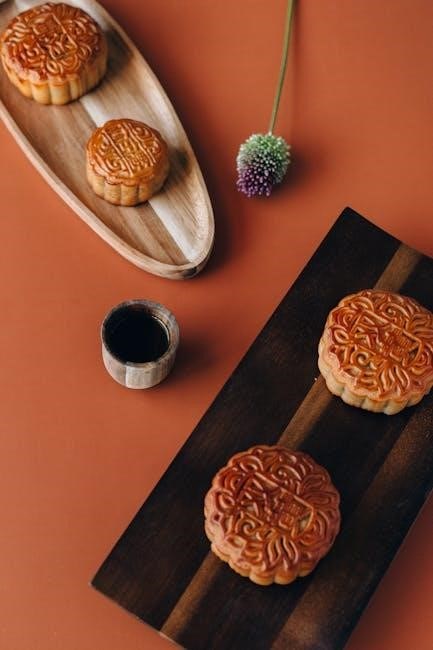
Lee masterfully employs vivid descriptions of food, especially mooncakes, enhancing the narrative and immersing readers in the sensory experience of the story’s setting․
The Role of Food Descriptions in the Narrative
Throughout Fake Dates and Mooncakes, food isn’t merely sustenance; it’s a powerful vehicle for conveying emotion, cultural significance, and character development․ Sher Lee doesn’t simply mention dishes – she meticulously details their textures, aromas, and flavors, drawing the reader into the story’s world․
The frequent and evocative descriptions of mooncakes, in particular, serve as a constant reminder of the novel’s central themes: family, tradition, and identity․ These detailed passages aren’t just about satisfying a sweet tooth; they represent a connection to heritage and a shared cultural experience․
Food becomes a language of love and reconciliation, a way for characters to express feelings they struggle to articulate verbally, ultimately enriching the emotional depth of the narrative․
The Significance of Mooncake Varieties
Within Fake Dates and Mooncakes, the diverse array of mooncake varieties isn’t just a culinary detail—it’s a reflection of regional differences, family preferences, and evolving traditions․ Lee highlights that mooncakes have a long history, originating as early as the Shang Dynasty․
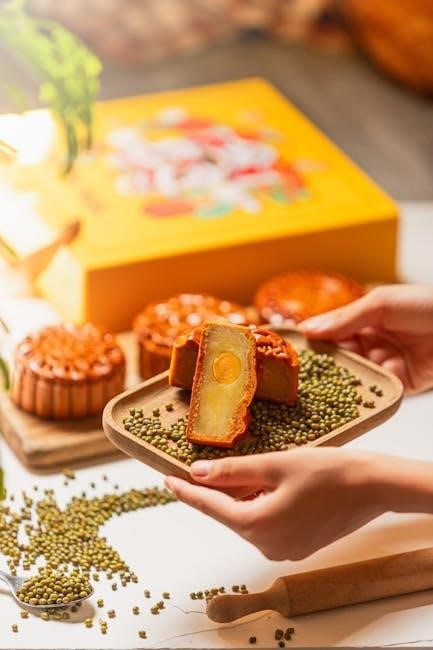
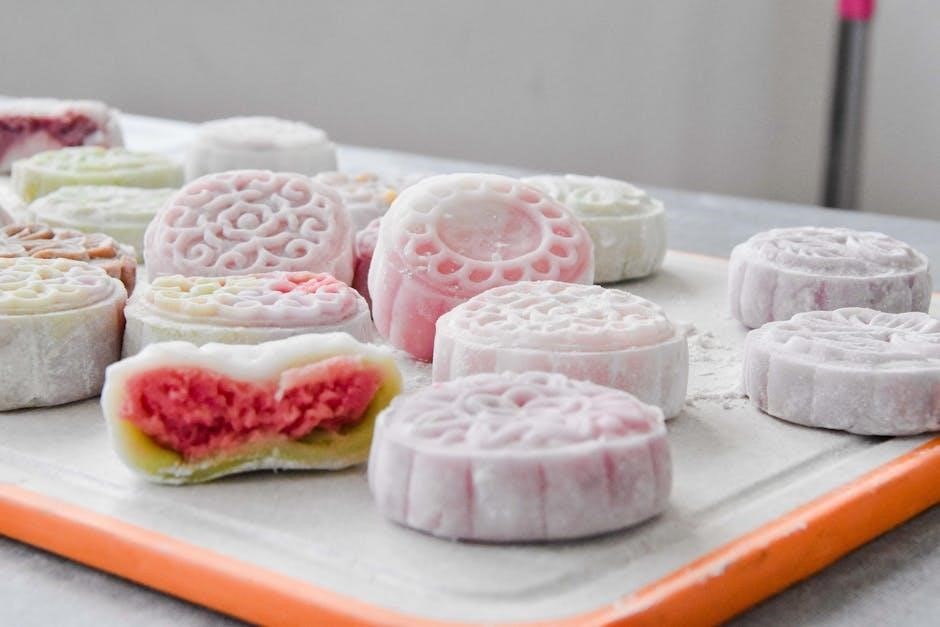
The novel subtly explores how different fillings and crusts carry symbolic weight, representing personal histories and cultural nuances․ From traditional lotus seed paste to modern snow skin mooncakes, each variety sparks conversations about identity and belonging․
This attention to detail underscores the mooncake’s role as more than just a festive treat; it’s a tangible link to the past and a symbol of shared heritage․
Analyzing the Novel’s Reception
Critical reviews and enthusiastic reader responses praise Fake Dates and Mooncakes for its charming romance, cultural insights, and relatable characters, appealing to YA audiences․
Critical Reviews and Reader Responses
Early reviews of Fake Dates and Mooncakes consistently highlight its successful blend of sweet romance and meaningful cultural representation․ Critics commend Sher Lee for deftly handling complex family dynamics and exploring themes of cultural identity with sensitivity and nuance․
Reader responses, particularly on platforms like Goodreads and BookTok, echo this praise, with many noting the novel’s ability to both entertain and educate․ The book’s appeal lies in its relatable characters, mouthwatering food descriptions, and the heartwarming exploration of a “fake dating” scenario․ Many readers specifically appreciated the authentic LGBTQ+ and ESEA representation, finding it refreshing and empowering․
Some reviews mention moments of heightened drama, but generally, the novel is celebrated for its overall charm and emotional resonance․
The Novel’s Appeal to Young Adult Audiences
Fake Dates and Mooncakes resonates strongly with young adult readers due to its relatable themes and engaging narrative․ The “fake dating” trope, a popular element in YA romance, provides a familiar and captivating framework for exploring deeper emotions and self-discovery․
Furthermore, the novel’s authentic LGBTQ+ and ESEA representation fills a crucial gap in the YA landscape, offering readers a chance to see themselves reflected in literature․ The exploration of family dynamics and cultural identity also strikes a chord with young adults navigating their own identities and relationships․
The book’s lighthearted tone, combined with its thoughtful themes, makes it an accessible and enjoyable read for a wide range of young adult audiences․
The Author: Sher Lee
Sher Lee is a debut novelist whose Fake Dates and Mooncakes skillfully blends romance, cultural exploration, and representation for young adult readers․
Her writing style offers both escapism and meaningful discussions surrounding identity and family connections․
Sher Lee’s Background and Writing Style
Sher Lee, the author of Fake Dates and Mooncakes, brings a fresh voice to the young adult rom-com genre․ While specific biographical details remain somewhat private, her debut novel demonstrates a keen understanding of both contemporary romance tropes and the nuances of East Asian diasporic experiences․
Lee’s writing style is characterized by its warmth, humor, and genuine emotional depth․ She seamlessly integrates cultural details – particularly surrounding the Mid-Autumn Festival and the significance of mooncakes – into the narrative, enriching the story without feeling didactic․ Her prose is accessible and engaging, making the novel a quick and enjoyable read․
Furthermore, Lee’s ability to balance lighthearted moments with more serious explorations of family dynamics and identity contributes to the novel’s overall appeal․
Impact of “Fake Dates and Mooncakes” on her Career
Fake Dates and Mooncakes has proven to be a significant launchpad for Sher Lee’s writing career․ Her debut novel garnered positive attention for its charming story, authentic representation, and cultural richness, quickly gaining traction within the young adult community․
The book’s success has led to increased visibility for Lee, with opportunities for interviews, book signings, and engagement with readers online․ It has established her as a promising voice in LGBTQ+ and ESEA literature, opening doors for future projects․
Critically, the novel’s appeal demonstrates a demand for diverse stories, solidifying Lee’s position as an author to watch in the YA space․