
Navigating menswear can feel daunting, but a solid style guide is key. Documenting outfits, purging unworn items annually, and focusing on fit are crucial starting points for any man.
The Importance of a Style Guide
A well-defined style guide isn’t about rigid rules, but rather a framework for confident self-expression through clothing. It’s about understanding what works for you, eliminating guesswork, and building a wardrobe that reflects your personality and lifestyle. Without one, you risk impulsive purchases that don’t integrate well, leading to a closet full of clothes and “nothing to wear.”
Consider the practical benefits: a style guide encourages mindful shopping – creating a list before hitting the stores prevents unnecessary spending and ensures each piece complements existing items. It also promotes regular wardrobe evaluations; the “one-year rule” – discarding anything unworn for a year – keeps your closet streamlined and relevant.
Furthermore, documenting your outfits (your “fits”) allows you to analyze what resonates and identify patterns in your preferences. This self-awareness is invaluable for refining your style over time. A guide isn’t a constraint, but a tool for intentionality and lasting style.
Defining Your Personal Style
Establishing your personal style is a journey of self-discovery, not imitation. It begins with introspection: consider your lifestyle, profession, and the image you want to project. Are you aiming for classic sophistication, relaxed casualness, or something in between? Don’t be afraid to experiment, but always prioritize fit – ill-fitting clothes undermine even the most stylish intentions.
Start by identifying style icons whose aesthetic you admire, but don’t blindly copy their looks. Instead, analyze why you’re drawn to their style and adapt those elements to suit your own body type and preferences. Embrace classic styles and simple patterns as foundational pieces.
Remember, a cohesive style isn’t about following trends; it’s about creating a consistent visual identity. Focus on building a wardrobe of versatile staples that can be mixed and matched, and don’t be afraid to invest in quality pieces that will last.
Foundational Principles of Menswear
Menswear success hinges on fit, simplicity, and intentionality. Limit standout pieces, stick to one pattern, and coordinate colors thoughtfully for a polished, timeless look.
Fit is Paramount
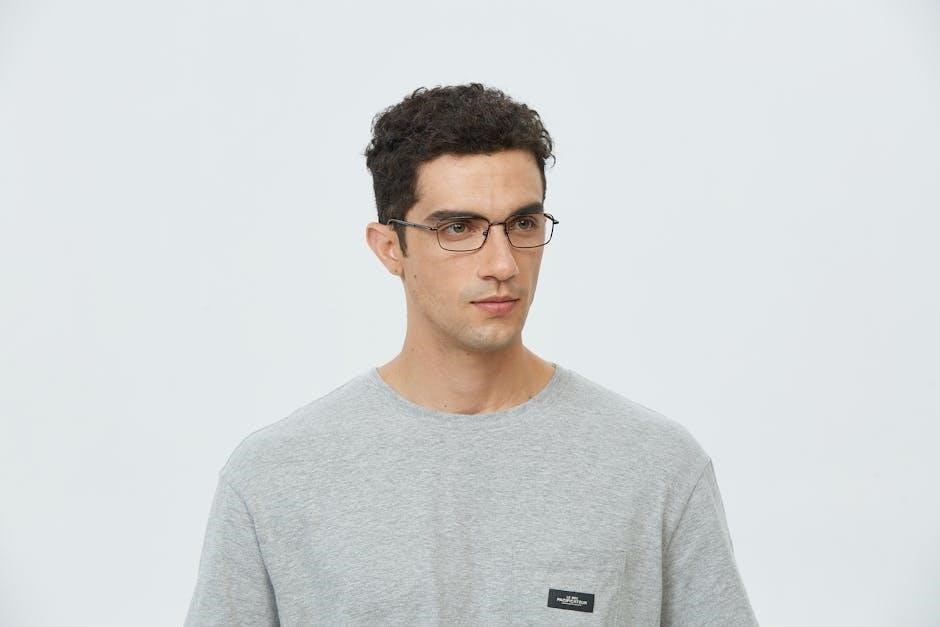
The cornerstone of any well-dressed man is clothing that fits impeccably. It doesn’t matter how expensive an item is; if the fit is off, the entire look suffers. Embrace the slim fit where appropriate, but avoid anything overly tight or restrictive. A properly fitted garment flatters your physique and projects confidence.
Pay close attention to shoulder seams, sleeve length, and the overall silhouette. Shoulders should lie flat, sleeves should end at the wrist bone, and the garment shouldn’t pull or bunch in any areas. Consider tailoring – it’s an investment that elevates even affordable pieces. Don’t underestimate the power of alterations to achieve a custom fit.
Understanding your body type is also crucial. What looks good on one man may not suit another. Experiment with different cuts and styles to find what complements your build best. Prioritize fit above all else; it’s the single most impactful element of menswear.
The One Standout Piece Rule
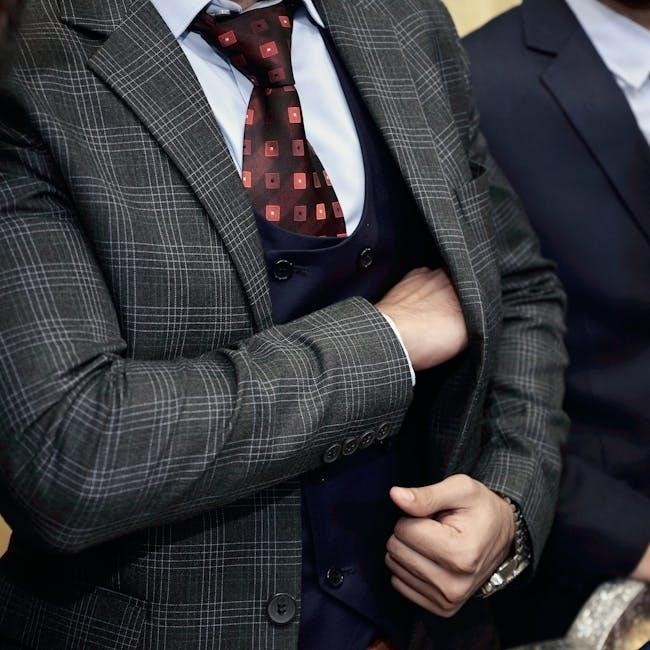
A refined approach to menswear involves mastering the art of subtlety. The “one standout piece” rule dictates that each outfit should feature a single focal point, excluding jewelry. This prevents a look from becoming overly busy or chaotic. Think of it as creating visual hierarchy – guiding the eye to one interesting element.
This could be a patterned shirt, a uniquely textured jacket, or a pair of boldly colored trousers. The rest of the outfit should then serve as a supporting cast, utilizing neutral colors and simpler designs. Avoid competing statement pieces; they detract from the intended impact.
Remember, the goal is to showcase your individual style with intention, not to overwhelm the viewer. This rule encourages thoughtful outfit construction and demonstrates a confident understanding of balance within your wardrobe. It’s about making a statement, not noise.
Color Coordination: Keeping it Simple
Mastering color coordination is fundamental to a polished menswear aesthetic. A straightforward approach is to limit your outfits to two main colors, creating a harmonious and sophisticated look. This doesn’t mean limiting your entire wardrobe, but rather focusing on cohesion within each individual ensemble.
Neutrals – navy, grey, olive, and beige – serve as excellent foundations, easily paired with a single accent color like burgundy, mustard, or forest green. Avoid clashing combinations and overly bright, saturated hues unless intentionally used as a deliberate statement.
Consider the undertones of colors; warm tones pair well with other warm tones, and cool tones with cool tones. Building a wardrobe around a core palette simplifies decision-making and ensures effortless style. Remember, simplicity often equates to elegance in menswear.
Essential Wardrobe Staples
Building a versatile wardrobe starts with key pieces. Prioritize well-fitting t-shirts, chinos, and a quality jacket – these form the foundation of countless stylish outfits.
Classic T-Shirts: The Blank Canvas
The humble t-shirt is arguably the most versatile item in a man’s wardrobe. It’s a foundational piece, a blank canvas upon which to build countless outfits. However, not all t-shirts are created equal. A properly fitting t-shirt – not too tight, not too loose – is paramount.
Focus on quality materials like cotton or linen blends that drape well and hold their shape. White t-shirts are particularly essential; they pair effortlessly with everything from chinos and jeans to jackets and blazers. Don’t underestimate the power of a simple, well-made tee.
Beyond white, consider neutral colors like grey, navy, and black. These provide further flexibility and layering options. Avoid overly graphic or loud designs initially, as the goal is to establish a foundation of understated style. A classic t-shirt is an investment in your overall look, offering endless possibilities for both casual and more refined ensembles.
Versatile Chinos & Trousers
Beyond t-shirts, versatile chinos and trousers form the backbone of a functional wardrobe. These offer a step up from jeans while remaining adaptable to various occasions. Chinos, in particular, are incredibly versatile, bridging the gap between casual and smart-casual effortlessly. Opt for classic colors like khaki, navy, olive, and grey – these provide maximum pairing potential.
Fit is, again, crucial. A slim or straight fit generally looks most modern and flattering. Avoid anything excessively baggy or overly tight. Consider the fabric weight; lighter-weight chinos are ideal for warmer weather, while heavier options suit cooler temperatures.
Trousers, such as wool or cotton blends, elevate the look further, suitable for more formal settings. Investing in a few well-fitting pairs in neutral tones will provide a solid base for building a cohesive and stylish wardrobe, capable of handling diverse situations.
The Importance of a Well-Fitting Jacket
A well-fitting jacket instantly elevates any outfit, transforming a simple look into something polished and intentional. It’s a cornerstone of menswear, offering both style and practicality. Consider a range of options, from classic blazers to more casual bomber or Harrington jackets, depending on your personal style and needs.
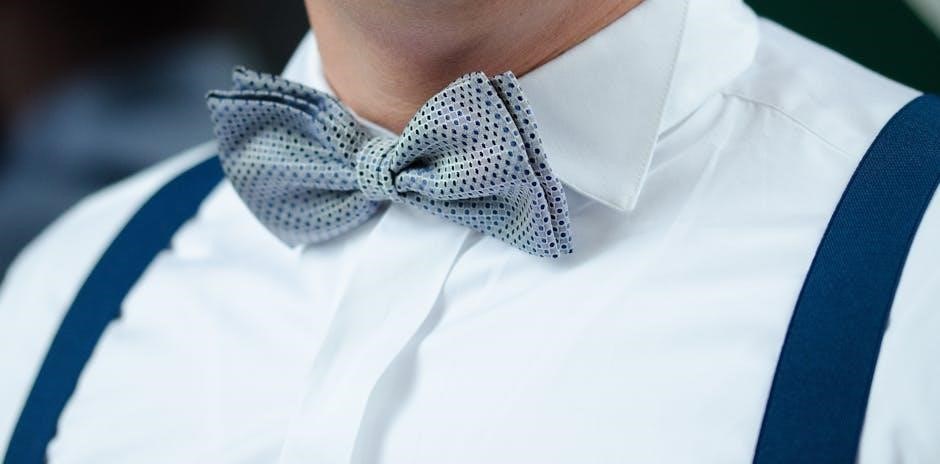
Fit is paramount – the shoulders should lie flat, the sleeves should end at the wrist bone, and the jacket should button comfortably without straining. Avoid jackets that are too tight or too loose. A versatile navy blazer is an excellent starting point, easily dressed up or down.
Investing in quality materials will ensure longevity and a better overall appearance. A well-chosen jacket is a powerful tool for expressing your style and making a lasting impression, completing your look with sophistication.
Common Style Mistakes to Avoid
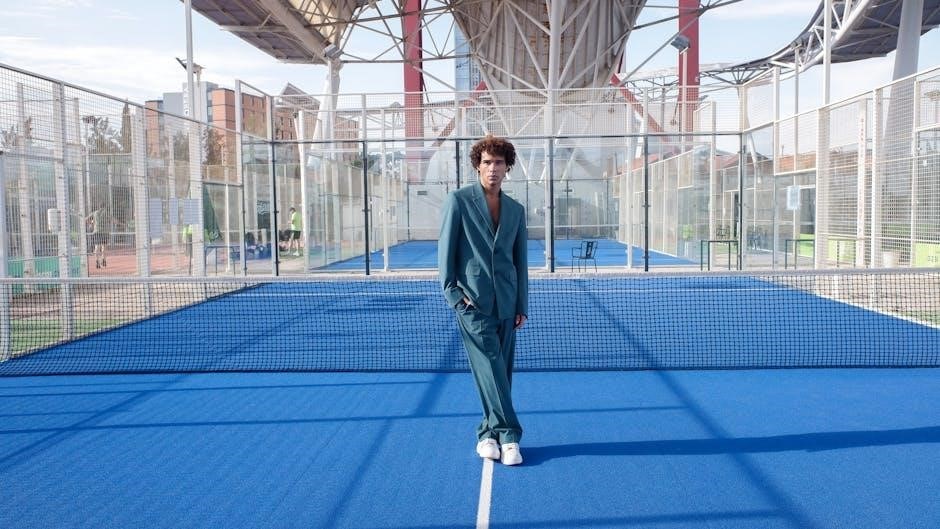
Steer clear of overly “excitable” sportswear, excessive logos, and the habit of tucking pants into boots. Prioritize fit and simplicity for a refined aesthetic.
Avoiding “Excitable” or Sportswear-Derived Clothing
A cornerstone of mature menswear lies in discerning what to leave in the gym or on the sports field. The goal isn’t to completely eschew comfort, but rather to elevate your appearance beyond overtly athletic aesthetics. Think carefully before incorporating items traditionally associated with physical activity into your everyday wardrobe.

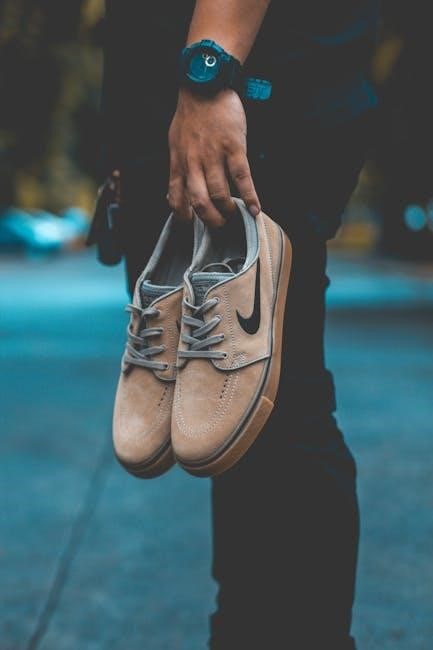
Specifically, avoid lurid trainers – those brightly colored, aggressively styled running shoes – unless you’re actually running. Similarly, hoodies and sweatpants, while comfortable, often project a casualness that doesn’t translate well to most settings. Lycra cycling kit is best reserved for cycling! Anything currently favored by younger demographics for active pursuits should generally be avoided.
The key is subtlety. Opt for classic silhouettes and materials. A well-fitting polo shirt is a far more sophisticated choice than a performance athletic tee. Consider the context; what looks appropriate for a workout will rarely translate to a polished, put-together look elsewhere. Prioritize timelessness over trends.
Logo Overload: Less is More
Subtlety is paramount in refined menswear, and that extends to branding. While a tastefully placed logo can indicate quality or preference, excessive branding cheapens an outfit and draws unwanted attention. The aim is to let your style speak for itself, not the labels you wear.
Avoid the temptation to become a walking billboard. Resist the urge to pair a logo-heavy t-shirt with a jacket sporting prominent branding. A single, understated logo is acceptable; multiple, large, visible logos are a definite no-go. Think quality over quantity when it comes to displaying brand affiliation.
Focus on the cut, fabric, and overall aesthetic of your clothing. These elements contribute far more to a sophisticated look than any designer’s emblem. A classic, unbranded cashmere sweater will always exude more style than a logo-emblazoned sweatshirt. Remember, confidence and good taste are the best accessories.
The No-Tuck Rule (for Pants & Boots)
A foundational principle of modern menswear is avoiding the tucked-in pant with boots. This seemingly small detail dramatically impacts the overall silhouette and perceived style. Tucking pants into boots often creates a visually awkward and dated appearance, disrupting the clean lines of a well-considered outfit.
Instead, aim for a slight break or a gentle stack in your trousers, allowing them to rest naturally over the top of your boots. This creates a more relaxed and contemporary aesthetic. The length of your trousers is crucial here; too short and you risk looking disproportionate, too long and the stack becomes excessive.
This rule applies particularly to casual and smart-casual settings; While exceptions exist for specific boot styles or intentional fashion statements, erring on the side of untucked is generally a safer and more stylish approach. Prioritize a clean, streamlined look that emphasizes confidence and effortless style.
Maintaining Your Style
Consistent style requires effort. Regularly document your outfits, and implement a strict one-year rule for wardrobe purges to ensure a curated and relevant collection.
Documenting Your Fits
Why is documenting your outfits so important? It’s a surprisingly powerful tool for refining your personal style. Think of it as a visual diary of what works – and what doesn’t. Regularly photographing your outfits, or even simply noting the components, allows you to objectively analyze your choices.

You’ll begin to identify recurring themes, successful color combinations, and silhouettes that flatter your body type. This isn’t about striving for perfection, but rather about building a deeper understanding of your aesthetic preferences. Are you consistently drawn to certain fabrics or patterns? Do specific shoes elevate an otherwise simple look?
Documenting also helps prevent repeating mistakes. That outfit you thought looked great but received no compliments? It’s all recorded for future reference. Over time, this archive becomes an invaluable resource, guiding your future purchases and ensuring a more cohesive and confident wardrobe. It’s a simple habit with significant long-term benefits.
Regular Wardrobe Purges (The One-Year Rule)
The cornerstone of a streamlined and effective wardrobe is ruthless editing. Implement the “One-Year Rule”: if you haven’t worn an item in a year, it’s time to seriously consider letting it go. This isn’t about impulsively discarding clothes, but a pragmatic assessment of your actual wearing habits.
Be honest with yourself. Are you holding onto items “just in case”? Do they still fit properly and align with your current style? Sentimental value aside, a cluttered wardrobe hinders your ability to create outfits and identify gaps. Donate, sell, or responsibly recycle unwanted clothing.
Regular purges force you to confront your shopping habits and prevent accumulating unnecessary items. It’s a continuous cycle of refinement, ensuring your wardrobe remains relevant and functional. This practice isn’t about deprivation, but about curating a collection of clothes you genuinely love and wear consistently.